The federal gift, the state fine print, and the lease-tax line item
Federal law hands Colome businesses the most generous expensing rules in years - and South Dakota's own tax code decides how much of that generosity survives on the state return. Both layers are below with official sources.
Section 179 lets a Colome business expense up to $2,560,000 of 2026 equipment purchases immediately (phase-out above $4,090,000, IRS Rev. Proc. 2025-32), and 100% bonus depreciation is back permanently for equipment placed in service after January 19, 2025.
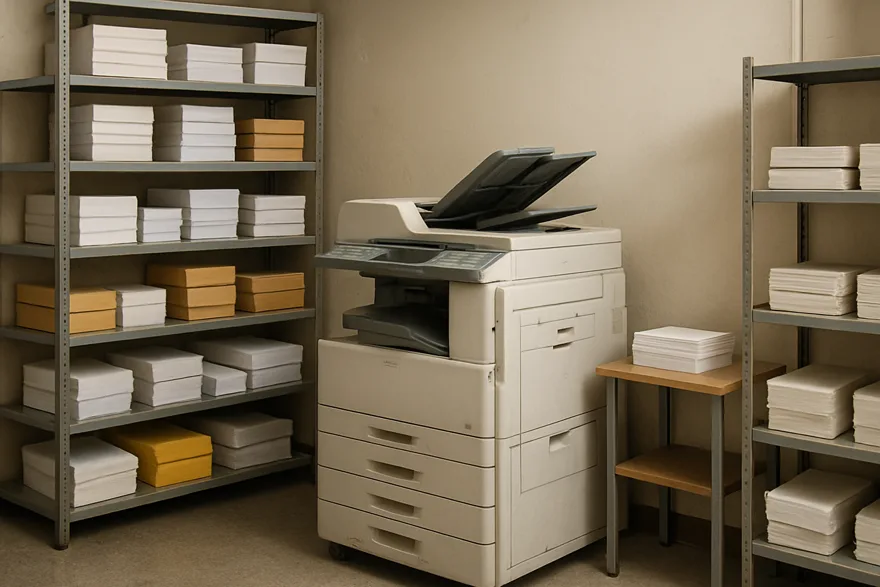
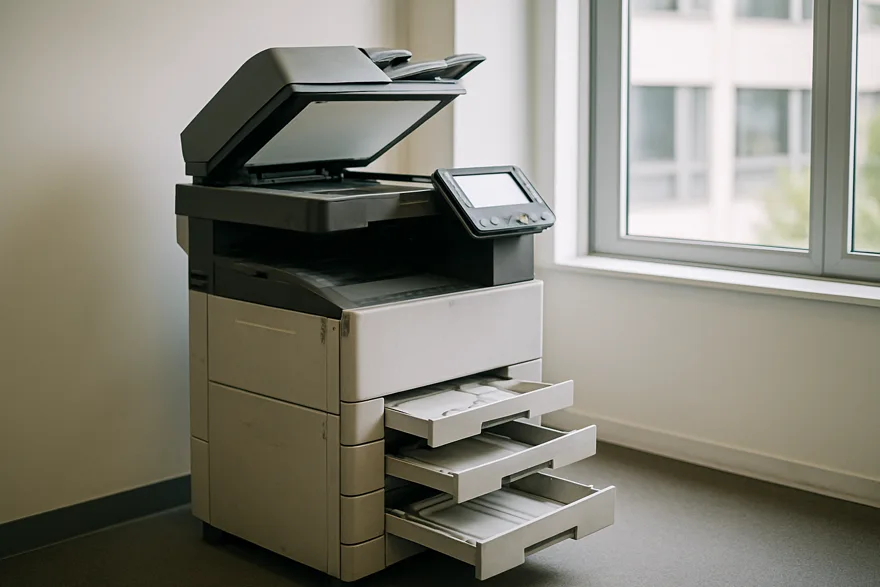
South Dakota applies its 4.2% state sales tax to equipment lease payments (SDCL ch. 10-45; SD DOR Tax Facts: Lease and Rental (April 2025)) - on a $300-a-month copier lease that tax rides along every single month, before local add-ons.
Colome, South Dakota has about 337 residents, and its equipment market prices on dealer territory, service density and volume - not on the machine's list price.
Equipment tax math has two layers in South Dakota: sales tax on the lease or purchase itself, and income-tax depreciation rules that decide how fast the cost comes off your taxable income. Both are below, with official sources.
The 2026 federal rules are the most buyer-friendly in years: Section 179 up to $2,560,000 and permanent 100% bonus depreciation. But state income tax does not automatically follow - several states cap Section 179 at a fraction of the federal number, and South Dakota's position is on this page.

The 2026 numbers
| Equipment category | 2026 market range | The number that actually matters |
|---|---|---|
| Copier / MFP lease (small business) | $100-$400/month | The 60-month total plus the service agreement - not the payment |
| Copier service (cost per copy) | $0.01-$0.015 per page B&W; $0.06-$0.12 per page color | Minimum page billing and 5-10% annual escalators change the real rate |
| Forklift - new | $22,000-$55,000 | Electric adds a battery/charger budget; duty cycle picks the powertrain |
| Forklift - used / rental | $12,000-$25,000 used; $180-$400/day rental | Rental is the honest answer for seasonal peaks |
| Office coffee service | $5-$14 per person/month | The 'free machine' is real - the margin is in the coffee |
| Equipment financing (2026) | 7-25% APR typical range | Well-qualified borrowers commonly see 9-15% - quote the financing too |
| Section 179 expensing (2026) | up to $2,560,000 | Phases out above $4,090,000; state rules may differ - see below |
Put an equipment tax question out to competing bid before talking price
Two free marketplace paths: one form brings back multiple hand-selected sellers who know they are competing for the job. Competing quotes are the only pricing discipline this industry consistently respects.
External links go to the marketplaces' own sites and forms. This site may earn a referral fee at no cost to you - it never changes the data above, and no individual vendor pays to appear in our research.
The South Dakota tax rules that change equipment math
| Question | South Dakota answer |
|---|---|
| Sales tax on equipment leases | Taxable at 4.2% state rate - South Dakota's broad-based 4.2% state sales tax applies to leases and rentals of tangible personal property (plus municipal tax); tax is due when the customer takes possession of. |
| Bonus depreciation: state treatment | South Dakota imposes no corporate or individual income tax, so federal Section 179 expensing and bonus depreciation have no state-level counterpart. |
The 4.2% state rate is a temporary cut enacted in 2023 (HB 1137) that sunsets on July 1, 2027, when the rate reverts to 4.5% - equipment lessees should budget for the bump on ongoing rental contracts.
This page is independent research, not tax, legal or purchasing advice. Tax treatment varies by state and entity type and changes with legislation - verify current rules with your CPA and your state revenue department before acting.
The stale-number warning
Articles still circulate quoting a Section 179 cap near $1.25 million and a bonus-depreciation phase-down to 40%. Both are obsolete: the 2025 tax law set the 2026 cap at $2,560,000 and restored 100% bonus permanently. Check publication dates before trusting any equipment tax article - including this one: our figures cite IRS Rev. Proc. 2025-32 directly.
What this means in Colome
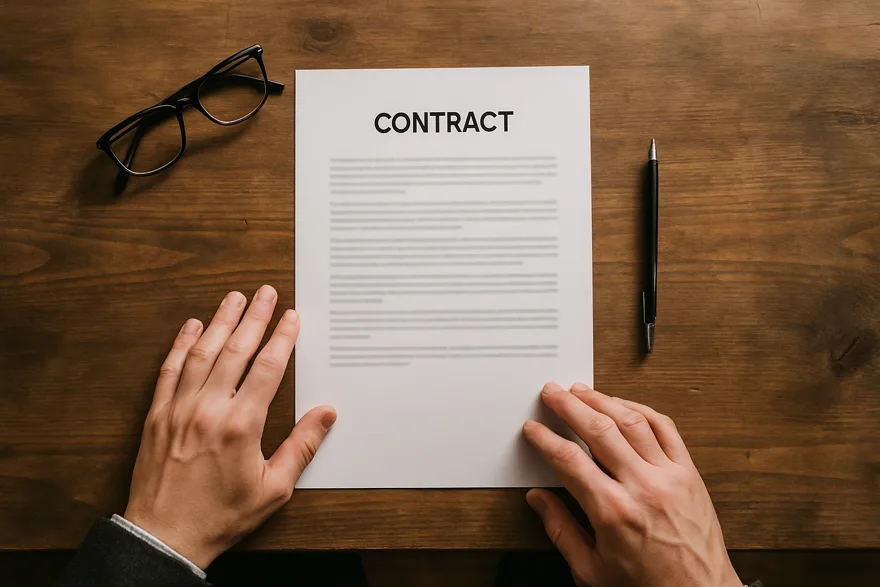
An equipment quote is only as good as the contract under it: the machine price is negotiated once, but the service clauses bill you every month for five years.
This page is independent research, not tax, legal or purchasing advice. Tax treatment varies by state and entity type and changes with legislation - verify current rules with your CPA and your state revenue department before acting.
Common questions
How much does a forklift cost?
New internal-combustion units run about $22,000-$50,000 and new electrics $25,000-$55,000 - plus roughly $10,000-$20,000 for the battery and charger. Solid used machines trade around $12,000-$25,000. Rentals run about $180-$400 a day or $450-$900 a week, which is often the honest answer for seasonal peaks.
What does cost-per-copy mean and what is a fair rate?
Service agreements bill per page: roughly $0.01-$0.015 for black-and-white and $0.06-$0.12 for color in current market ranges. Watch the two riders that change the math - minimum monthly page billing (you pay for pages you never print) and annual rate escalators of 5-10%. Both are negotiable before signature.
Is 100% bonus depreciation back?
Yes - permanently. The 2025 tax law restored 100% bonus depreciation for qualifying equipment acquired and placed in service after January 19, 2025, killing the old 80/60/40/20 phase-down schedule that many articles still describe. One catch: several states do not follow the federal rule for state income tax, and this guide's state table shows where yours stands.
What happens at the end of an equipment lease?
One of three things, and the contract decides which: you return the machine (watch return-shipping and refurbishment fees), buy it (at $1, or at fair market value the lessor sets), or do nothing - in which case the evergreen clause renews you for another term. The no-decision option is the only one that is never in your interest.
Why do equipment quotes differ so much between vendors?
Because quotes price the buyer, not just the machine: dealer territories, service-network density, end-of-quarter targets and how informed you seem all move the number. That is the structural argument for marketplace-style shopping - one request, several sellers who know they are competing, and the spread between quotes becomes your negotiating room.
Put an equipment tax question out to competing bid before talking price
Two free marketplace paths: one form brings back multiple hand-selected sellers who know they are competing for the job. Competing quotes are the only pricing discipline this industry consistently respects.
External links go to the marketplaces' own sites and forms. This site may earn a referral fee at no cost to you - it never changes the data above, and no individual vendor pays to appear in our research.